
Blog
Gluten Free Biscotti Recipe: How to Make Delicious and Crispy Treats at Home

Feb
Gluten Free Biscotti Recipe Guide
How to think about ingredients, texture, baking method, and storage when making crisp gluten free biscotti at home.
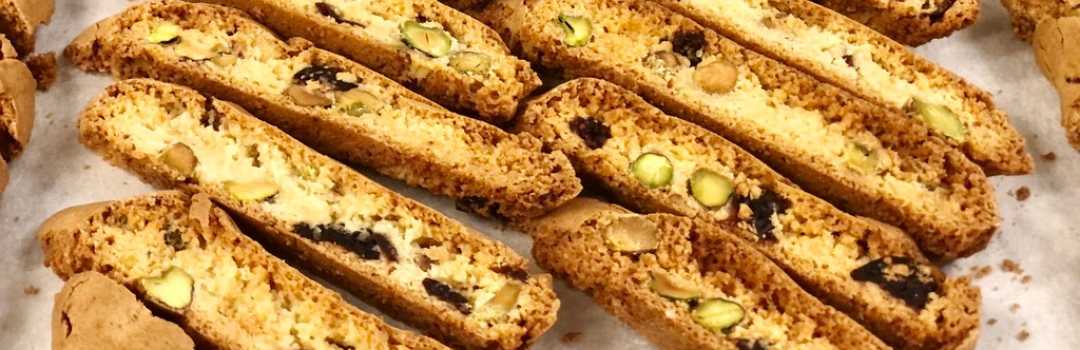
A good gluten free biscotti recipe should give you the same thing people love about traditional biscotti: a crisp texture, a clean snap, and a cookie that can hold up to coffee without falling apart. The hard part is getting that texture without wheat flour.
This guide will walk you through the method behind gluten free biscotti, what ingredients usually matter most, what can go wrong, and how to avoid the chalky, crumbly texture that gives gluten-free baking a bad name.
This is a home-baking guide, not The Biscotti Company’s proprietary bakery formula. We are not publishing our commercial recipe here. If you prefer to buy gluten-free biscotti instead of baking them, our gluten-free biscotti contain dairy and are baked in a shared facility. They are not recommended for customers with celiac disease.
Jump to:
Ingredient Roles |
Method |
Texture Tips |
Flavor Ideas |
Storage |
FAQs |
Prefer to buy?
What goes into a gluten free biscotti recipe?
Most gluten free biscotti recipes are built around the same basic roles as traditional biscotti. You need structure, sweetness, flavor, moisture, and enough drying time during the second bake to create the crunch.
| Ingredient Role | What it does |
|---|---|
| Gluten-free flour blend | Creates the base structure that wheat flour normally provides. |
| Nut flour or ground nuts | Adds flavor, richness, and a more satisfying bite. |
| Eggs | Help bind the dough and give structure during baking. |
| Sugar | Adds sweetness and helps the biscotti brown and crisp. |
| Fat | Adds tenderness and flavor. Different recipes use different fats. |
| Flavor ingredients | Nuts, chocolate, dried fruit, citrus, spices, or anise give the biscotti personality. |
For gluten free biscotti, structure matters more than people realize. A flour blend that works for soft cookies may not always work for crisp biscotti. The dough needs to hold its shape through the first bake and still dry properly during the second bake.
How gluten free biscotti are usually made
The basic process is similar to traditional biscotti. The difference is that gluten-free dough can be more delicate, so gentle handling matters.
- Mix the dry ingredients. Combine the gluten-free flour base, sugar, leavening, salt, and any dry spices.
- Add the wet ingredients. Eggs, fat, vanilla, citrus, or other wet ingredients bring the dough together.
- Fold in flavor ingredients. Nuts, chocolate, dried fruit, or spices should be added after the dough forms.
- Shape the dough. Form the dough into logs with clean hands. Gluten-free dough can be sticky, so work gently.
- First bake. Bake until the logs are set enough to cut cleanly.
- Cool before cutting. Give the logs time to firm up before cutting them into individual biscotti.
- Second bake. Bake the biscotti again until they dry out and become crisp.
- Cool fully. Biscotti continue to crisp as they cool. Do not seal them in a container while warm.
Why the second bake matters
Biscotti means twice-baked. The first bake sets the dough. The second bake removes moisture and creates the crunch. If your gluten free biscotti come out soft, the second bake is usually where the problem started.
How to get a crisp texture without a chalky bite
Texture is the hardest part of a gluten free biscotti recipe. Too much moisture and the biscotti stay soft. Too little structure and they crumble. Too much starch and the flavor can feel chalky.
- Let the first bake set the dough before cutting.
- Use a gentle second bake to dry the biscotti instead of scorching them.
- Cool fully before storing.
- Do not judge the final crunch while the biscotti are still hot.
- Use real flavor ingredients so the biscotti taste like dessert, not just a gluten-free substitute.
Want more general biscotti technique help? Read our guide to baking perfect crispy, crunchy biscotti.
Flavor ideas for homemade gluten free biscotti
Once the base texture is working, the flavor is where gluten free biscotti become fun. Here are a few combinations that make sense for home bakers.
Tart cranberries and pistachios add color, texture, and a giftable feel.
Chocolate and almonds give homemade biscotti a familiar bakery-style flavor.
Citrus and anise give biscotti a classic Italian-inspired aroma.
Keep mix-ins balanced. Too many add-ins can make gluten-free dough harder to cut cleanly and easier to break.
How to store homemade gluten free biscotti
Store homemade gluten free biscotti at room temperature in an airtight container after they have cooled completely. For the best texture, enjoy them within about a week.
Do not store warm biscotti in a closed container. Steam will soften the crunch you worked to build during the second bake.
At The Biscotti Company, our sealed bags have a six month best before date from the day we bake and seal them. You will find that date printed on the bottom of every bag. We do not recommend freezing our biscotti.
Prefer to buy gluten free biscotti?
If you would rather skip the testing, mixing, cutting, and second bake, you can shop gluten free biscotti from The Biscotti Company. Our gluten-free biscotti are baked in small batches in our Long Island bakery and made for people who want a real biscotti experience without wheat.
The Biscotti Company gluten-free biscotti contain dairy and are baked in a shared facility. They are not recommended for customers with celiac disease. Please review each product page before ordering.
Frequently Asked Questions
What is the secret to a good gluten free biscotti recipe?
The secret is structure and drying time. Gluten-free dough needs enough structure to hold its shape during the first bake, then enough time during the second bake to dry into a crisp biscotto.
Why do gluten free biscotti crumble?
They may crumble if the flour blend lacks structure, the dough is too dry, the biscotti are cut too soon, or the recipe has too many heavy mix-ins. Letting the first bake set properly helps.
How do I make gluten free biscotti crunchy?
The second bake creates the crunch. Bake the biscotti once to set the dough, cut them after a short cooling period, then bake again until the pieces are dry and crisp. Let them cool fully before storing.
Can I make gluten free biscotti without nuts?
Some home recipes can be adapted without nuts, but the texture and flavor will change. If you remove nut flour or whole nuts, the flour blend and moisture balance may need to be adjusted.
Are The Biscotti Company gluten-free biscotti dairy free?
No. The Biscotti Company gluten-free biscotti contain dairy. They are also baked in a shared facility and are not recommended for customers with celiac disease.
How long do homemade gluten free biscotti stay fresh?
Homemade gluten free biscotti are usually best within about a week when stored at room temperature in an airtight container after cooling completely.

Recipe doesnt say how many biscotti it makes.
It makes about 5 biscotti loaves, each weighing 220g. The number of cookies you get from each loaf will depend on how thick you slice them.